




Tissue Repair & Regeneration
Recovery & Regeneration Research Peptides
Tissue repair compounds including BPC-157, TB-500, and the Wolverine Blend for comprehensive regenerative research.
About Recovery Research
Recovery and tissue repair research has been transformed by peptides like BPC-157 (Body Protection Compound) and TB-500 (Thymosin Beta-4). Over 100 published research papers explore their roles in connective tissue repair, angiogenesis, and inflammatory modulation. Our recovery catalog provides these foundational compounds plus the Wolverine Blend — the most studied combination in regenerative peptide research.
Research Applications
Researchers in this category study mechanisms of tissue repair, actin polymerization, cell migration, vascular endothelial growth factor (VEGF) upregulation, and inflammation modulation. BPC-157 alone has over 100 published papers covering its role in connective tissue, muscle, and nervous system research.
Key Compounds in This Category
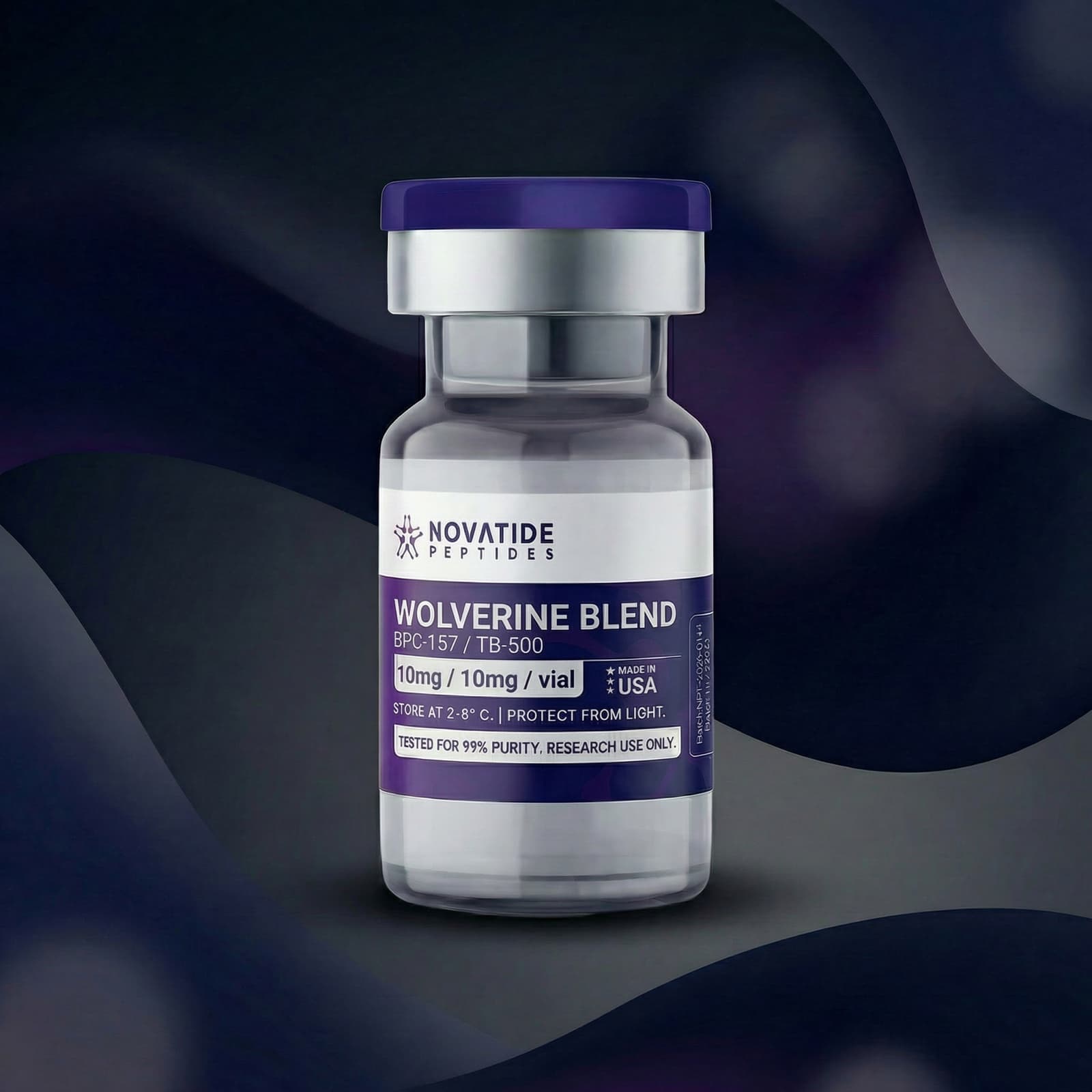
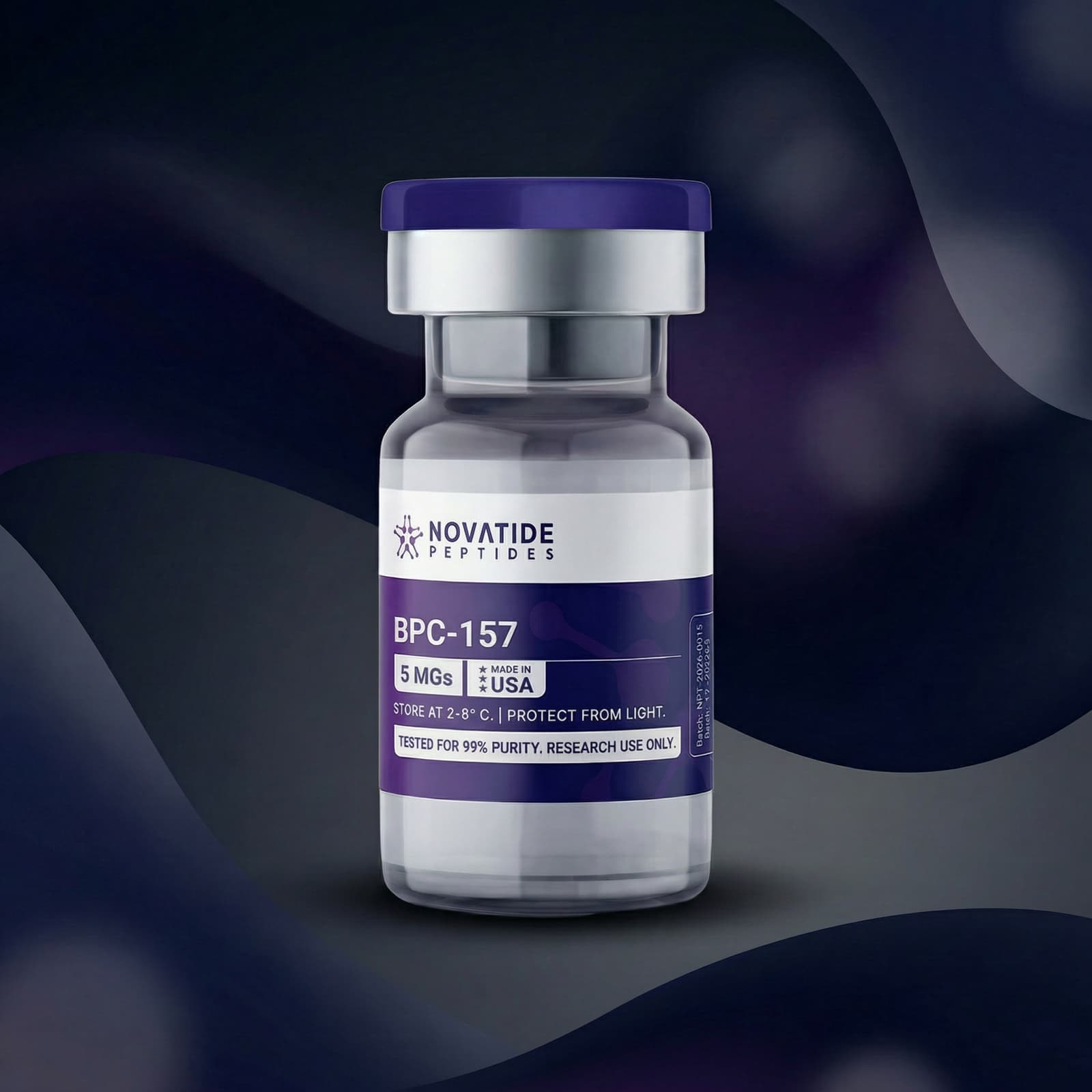
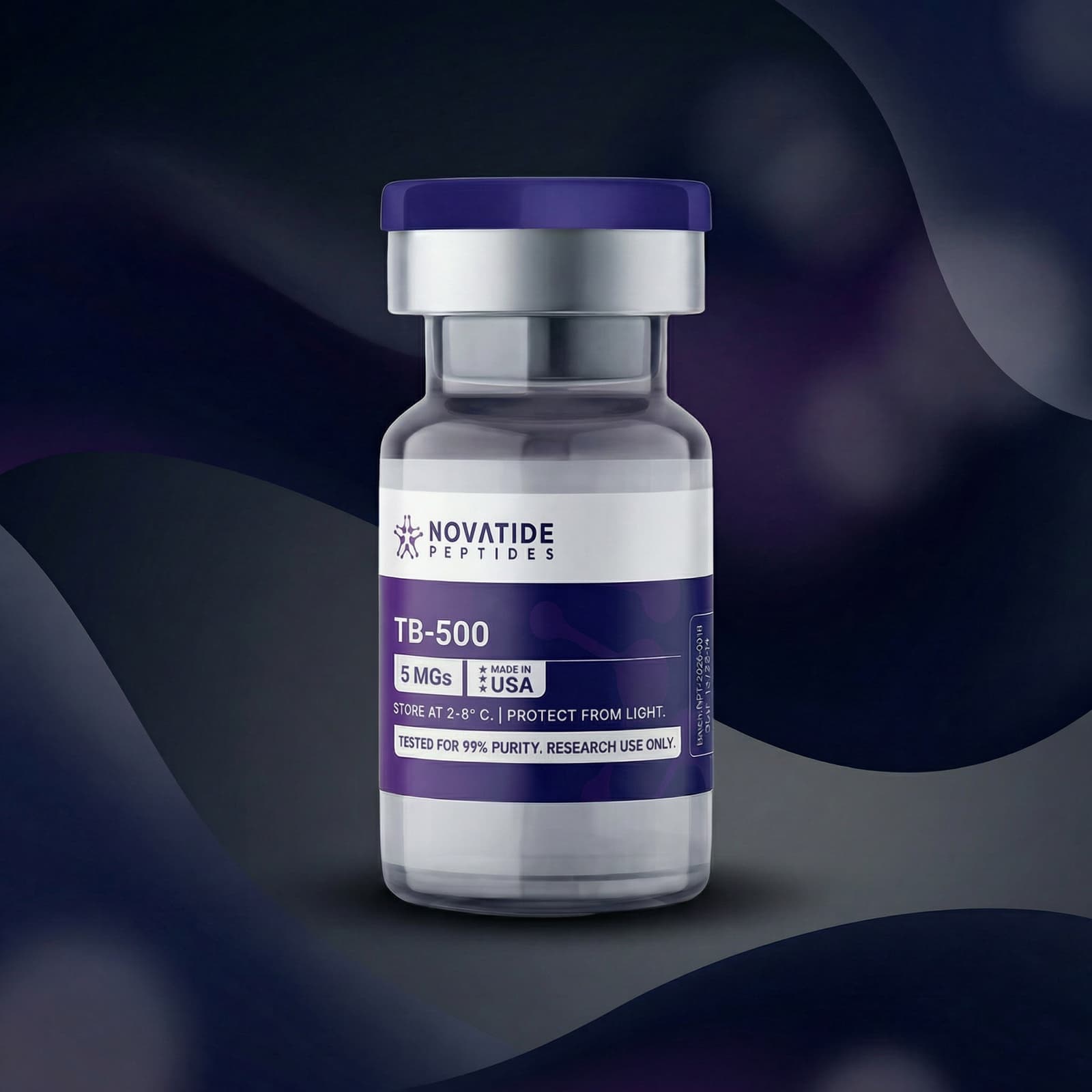
Our recovery catalog includes BPC-157 (5mg, 10mg, 20mg), TB-500 (5mg, 10mg), and the Wolverine Blend — a pre-combined 10mg/10mg formulation pairing BPC-157 and TB-500 in a single vial for protocols that require both compounds.
3 Compounds
Shop Recovery Peptides
FAQ
Recovery Research — Frequently Asked Questions
What is the Wolverine Blend?
How many published studies exist on BPC-157?
What is the difference between 5mg, 10mg, and 20mg BPC-157?
For Research Use Only. All products in the Recovery category are supplied strictly as research chemicals. They are not drugs, foods, cosmetics, dietary supplements, or medical products. Not intended for human or animal consumption, administration, diagnostic use, therapeutic use, or clinical use.